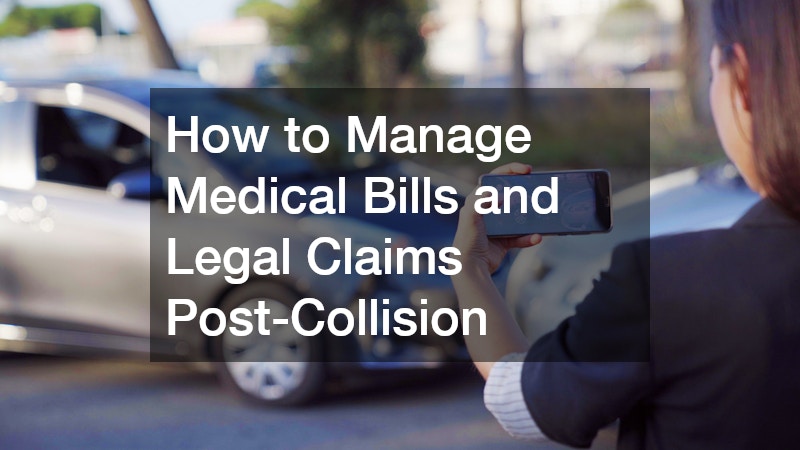
The moments immediately following a major motor vehicle crash are often marked by disorientation, panic, and overwhelming confusion. As the initial adrenaline surge subsides, crash victims are suddenly thrust into a chaotic administrative storm. Invoices from emergency medical care start arriving in the mail, insurance adjusters demand immediate written or recorded statements, and a damaged automobile sits in a distant storage lot, accruing daily impound fees. Trying to navigate this complex web of personal health recovery while managing mounting debt and legal liability can quickly exhaust even the most resilient individuals.
Successfully overcoming the aftermath of a severe collision requires a disciplined, structured approach. You cannot afford to deal with medical treatment, property damage, and legal rights in isolation; every medical report, tow ticket, and insurance communication directly influences the ultimate financial settlement of your personal injury claim. By taking proactive steps to document every expense, manage vehicle logistics swiftly, adhere to medical recovery plans, and partner with qualified legal representatives, you can protect your financial stability and ensure you receive the full compensation you deserve.
This comprehensive guide provides an actionable, step-by-step framework to help you manage medical bills, resolve property claims, and build an airtight legal case after a collision.
1. Document Emergency Transport Receipts and Track Vehicle Location
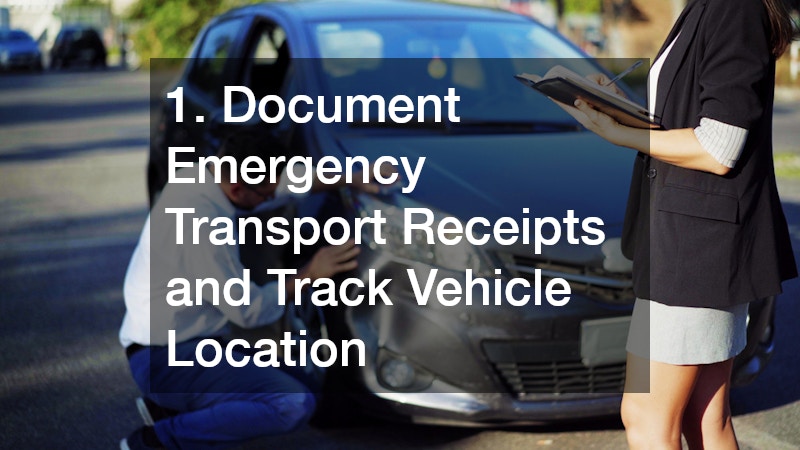
Managing Emergency Roadside Clearance
In the immediate aftermath of a severe crash on a busy highway or city intersection, local law enforcement usually calls an authorized emergency towing service to clear the roadway and prevent secondary collisions. While clearing traffic is necessary for public safety, it leaves the vehicle owner with immediate administrative responsibilities. Before leaving the crash scene in an ambulance or with a family member, attempt to gather crucial details regarding who is moving your vehicle and where it is being taken.
Request the company name, tow truck driver identification or badge number, and the physical address of the impound or holding lot where your vehicle will be stored. If your physical condition prevents you from collecting this information at the scene, obtain a copy of the official police collision report as soon as possible, as responding officers document the dispatched transport company and vehicle destination. Knowing exactly which yard holds your vehicle allows you to initiate prompt communications regarding access, inspections, and release procedures.
Preserving Towing Receipts for Insurance Reimbursement
Emergency vehicle transport fees can accumulate rapidly, often including base hookup charges, mileage rates, after-hours release fees, and winching surcharges. Obtaining itemized invoices from the dispatched towing company is essential for building an accurate property damage claim. Never discard initial transport receipts or payment slips, as insurance adjusters require official documentation before issuing reimbursements.
When organizing your property damage records, keep these key transport documentation practices in mind:
- Request a detailed, itemized receipt showing the breakdown of base towing fees, mileage, and special equipment charges.
- Verify whether your personal automobile insurance policy includes roadside assistance or towing coverage to cover upfront costs.
- Submit copies of all transport invoices directly to the at-fault driver’s insurance adjuster as part of your initial property damage claim.
- Retain duplicate digital copies of all receipts alongside your primary medical and legal records for quick reference.
2. Prevent Impound Storage Accumulation and Evaluate Totaled Vehicles
Preventing Daily Storage Fee Accrual
One of the most expensive hidden traps post-collision is the daily storage fee charged by impound lots. Holding facilities routinely charge steep daily rates while insurance companies conduct liability investigations. If a vehicle sits in an impound yard for several weeks while adjusters debate fault, the storage bill can easily reach thousands of dollars—fees that insurance companies may refuse to cover if they deem you failed to mitigate damages.
To prevent exorbitant storage bills, contact the local towing company holding your automobile as soon as possible to authorize a transfer. Provide written authorization allowing your insurance carrier or a chosen repair facility to tow the vehicle to a non-charging location or body shop. Before releasing the automobile, conduct a thorough personal inventory of the cabin and trunk. Remove all personal belongings, electronic devices, toll passes, and important documents, as accessing the vehicle after it enters a salvage yard or insurance processing center can be extremely difficult.
Navigating Total Loss Valuations and Salvage Solutions
When structural frame damage, deployed airbags, or mechanical destruction push repair estimates past the actual market value of the automobile, insurance carriers declare the vehicle a total loss. Reviewing the insurance adjuster’s valuation report requires careful scrutiny. Carriers utilize third-party valuation databases that often undervalue pre-accident vehicle condition, optional equipment, or recent mechanical repairs.
If your vehicle is declared a total loss, evaluate your options carefully:
- Research local sales data for identical vehicle makes, models, mileage, and trim levels to verify the adjuster’s actual cash value offer.
- Provide receipts for recent major mechanical upgrades, such as new tires or transmission overhauls, to increase the settlement valuation.
- Consider retaining the vehicle salvage if you intend to rebuild or sell components independently through a certified auto salvage service.
- Ensure the insurance company pays off any existing auto loans directly from the total loss settlement before releasing the title.
3. Establish Treatment Continuity and Centralize Medical Documentation
Diagnosing Soft Tissue and Spinal Trauma
Physical injuries resulting from motor vehicle impacts frequently exhibit delayed onset symptoms. While severe bone fractures or lacerations are addressed immediately in emergency departments, soft tissue injuries, micro-tears in ligaments, and spinal disc herniations may take days or even weeks to manifest full pain intensity. Adrenaline masks initial inflammation, leading many crash victims to decline emergency medical transport, only to wake up days later suffering from severe physical limitations.
It is extremely common for collision survivors to develop chronic, debilitating back pain following sudden acceleration-deceleration forces. Ignoring persistent spinal discomfort or relying solely on over-the-counter pain relievers can turn treatable acute sprains into permanent degenerative joint conditions. Seeking a formal diagnostic evaluation—including magnetic resonance imaging (MRI) or digital x-rays—establishes an objective medical foundation linking your spinal trauma directly to the collision event.
Organizing Outpatient Therapy and Invoices
Rehabilitation after a major collision requires consistent, documented medical care. Unexcused gaps in medical treatment are weaponized by insurance defense teams to argue that your injuries have fully resolved or were caused by unrelated daily activities. Adhering strictly to your physician’s prescribed care plan is essential for both your physical recovery and your legal claim.
Receiving targeted physical adjustments and rehabilitative exercises at an accredited chiropractic clinic helps restore proper spinal alignment, reduce localized soft tissue swelling, and improve joint mobility:
- Maintain a dedicated journal recording daily pain levels, mobility restrictions, sleep disruptions, and missed family or work activities.
- Attend every scheduled therapy appointment, ensuring any necessary cancellations are documented with valid medical excuses.
- Request itemized billing statements and formal chart notes from every healthcare provider after each major treatment milestone.
- Consolidate all medical invoices, pharmacy receipts, and diagnostic fees into a single, organized master file.
4. Protect Vocational Income and Document Household Strain
Verifying Lost Earnings and Employment Disruptions
Beyond physical recovery and medical invoices, a serious motor vehicle accident frequently compromises your ability to earn a living. Missed workdays, modified light-duty assignments, and used vacation or sick leave represent real financial losses that must be calculated and claimed. Without proper documentation from your employer, insurance adjusters will dispute the extent of your lost wages.
Secure a formal lost wage verification letter signed by your employer’s human resources department. This document should detail your job title, hourly wage or annual salary, average weekly hours worked, and the precise dates you missed work due to collision injuries. If you are self-employed or an independent contractor, compile past tax returns, profit-and-loss statements, and canceled client contracts to substantiate lost income opportunities during your recovery period.
Quantifying Domestic Assistance and Out-of-Pocket Expenses
Physical trauma often prevents crash victims from completing basic household tasks, forcing families to hire outside help or rely heavily on relatives. These domestic disruptions carry real financial value that can be recovered as part of a personal injury claim.
Keep accurate records of domestic and out-of-pocket costs throughout your recovery:
- Retain invoices and receipts for professional home care services, including house cleaning, lawn maintenance, and meal preparation.
- Log travel mileage, parking fees, and toll charges associated with transportation to and from medical facilities.
- Record the cost of over-the-counter medical supplies, orthopedic braces, heating pads, and prescription co-payments.
- Document the uncompensated time taken off by family members to provide personal care or drive you to specialist appointments.
5. Evaluate Legal Credentials and Build a Comprehensive Case File
Selecting Grounded Legal Representation
Navigating personal injury law while managing bodily recovery and financial stress can quickly become overwhelming. Insurance companies deploy experienced claims adjusters and defense attorneys whose primary objective is to settle claims for the lowest possible amount. Attempting to negotiate directly with aggressive insurance representatives without legal backing often results in lowball settlement offers that fail to cover future medical needs.
Partnering with an experienced accident lawyer levels the playing field significantly. A dedicated legal advocate takes over all direct communications with insurance adjusters, conducts independent crash investigations, subpoenas necessary traffic camera footage, and calculates the true long-term value of your claim. When selecting legal counsel, look for professionals who operate on a contingency fee basis—meaning you pay no upfront legal fees unless they successfully secure a financial recovery on your behalf.
Gathering Supporting Evidence for Pre-Suit Demand
Building a strong personal injury claim requires assembling a comprehensive evidentiary file before entering settlement negotiations or filing a formal lawsuit. A well-documented case file leaves little room for insurance companies to dispute liability or minimize your physical suffering.
Working alongside a reputable local lawyer ensures your case complies with state-specific legal statutes and local court filing deadlines:
- Obtain official police collision reports and verify that all driver statements and witness contact details are accurately recorded.
- Secure wage loss verification statements from your employer detailing missed work hours, lost bonuses, and used sick leave.
- Collect comprehensive medical records, diagnostic imaging reports, and future care projections from your treating physicians.
- Take high-resolution photographs of visible bodily injuries, torn clothing, damaged vehicle interiors, and road conditions.
6. Manage High-Impact Liability Disputes and Maximize Financial Recovery
Handling Specialized High-Risk Collision Claims
Certain types of traffic collisions involve unique liability dynamics, severe physical trauma, and complex insurance policy structures. For instance, crashes involving commercial semi-trucks, rideshare vehicles, or vulnerable open-air riders present distinct legal challenges that standard passenger car claims do not.
In particular, collisions involving two-wheeled vehicles require specialized legal insight due to widespread jury bias and complex accident reconstruction requirements. Consulting a knowledgeable motorcycle accident attorney ensures that your rights are protected against unfair bias and that severe injuries like road rash, complex fractures, or traumatic brain injuries are fully valued in settlement demands. These specialized attorneys work with crash reconstruction experts to analyze skid marks, vehicle impact angles, and helmet telemetry to prove fault conclusively.
Coordinating Healthcare Liens and Final Settlement Distribution
Securing a favorable settlement offer or court verdict is only part of the personal injury recovery process. Before you receive your final financial distribution, outstanding medical balances, health insurance subrogation claims, and hospital liens must be formally resolved. Healthcare providers and health insurance companies often place legal liens on personal injury settlements to recover costs paid for your post-collision care.
Seasoned trial lawyers play a crucial role in negotiating these medical liens downward before final funds are disbursed:
- Audit all incoming hospital billing statements to identify duplicate charges, inflated coding, or unrendered services.
- Negotiate subrogation claims with private health insurers and government programs like Medicare or Medicaid to reduce statutory repayment amounts.
- Resolve outstanding balance billing from emergency physicians and diagnostic facilities out of settlement proceeds.
- Review the final settlement distribution statement line by line to ensure all property damage, lost wages, and legal costs are accurately accounted for.
Conclusion
Navigating the aftermath of a motor vehicle collision is an arduous journey that tests both your physical resilience and organizational skills. Between managing emergency transport details, stopping impound storage fees, adhering to strict medical treatment plans, and negotiating complex insurance claims, the administrative load can quickly become overwhelming. However, adopting a structured, proactive strategy transforms a chaotic ordeal into a manageable recovery process.
By systematically organizing your medical invoices, documenting every property loss, and securing experienced legal representation, you protect yourself against predatory insurance tactics and unexpected out-of-pocket debts. Remember that every step you take today—from keeping detailed transport receipts to attending every physical therapy appointment—strengthens your financial recovery tomorrow. Take control of your claim, prioritize your health, and utilize professional guidance to rebuild your life with confidence.